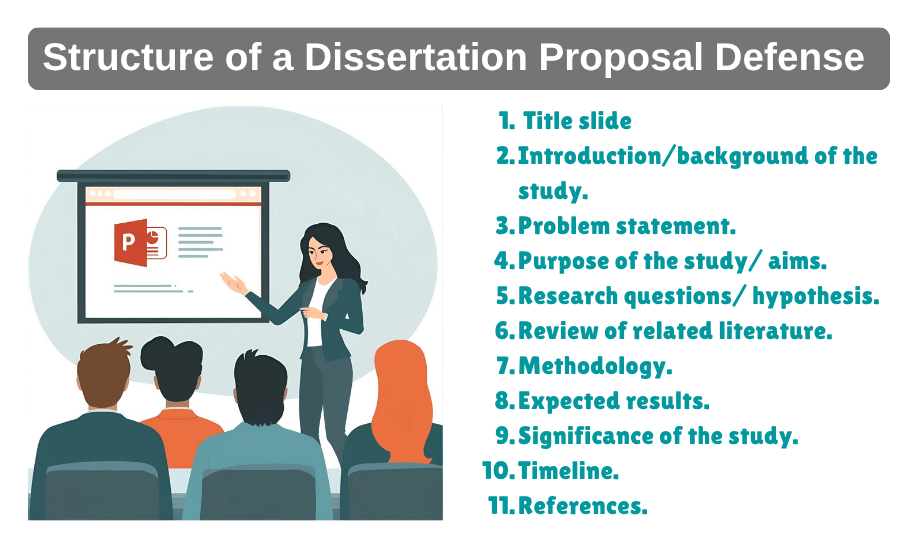
You survived the proposal defense. Your committee gave you the green light. You are finally ready to send out your surveys and start interviewing people.
But you can’t. Not yet. First, you have to face the Institutional Review Board (IRB).
The IRB is the ethics committee that ensures your research does not harm human subjects. They are thorough, they are strict, and they are famously slow. For many doctoral students, submitting an IRB application feels like throwing a document into a black hole, only to get it back a month later with 15 required revisions.
At PhD America, we help students break out of this administrative holding pattern. If you want to start collecting data this semester, here are the 3 most common reasons the IRB will reject your application—and how to avoid them.
1. The “Jargon-Heavy” Informed Consent Form
Your Informed Consent form is the most heavily scrutinized document in your application. It is the contract between you and your participants.
- The Mistake: Students often write this form using high-level academic language ripped straight from Chapter 1.
- The Fix: The IRB requires consent forms to be written at an 8th-grade reading level. If a participant cannot easily understand exactly what they are doing, how long it will take, and what the risks are, the board will reject it. Use simple, direct sentences.
2. Vague Data Security Plans
In the digital age, the IRB is terrified of data breaches. If you are collecting sensitive information, you must explain exactly how you will protect it.
- The Mistake: Stating, “I will keep the data safe on my computer.”
- The Fix: You must be hyper-specific. Where is the data stored? (e.g., A password-protected, encrypted external hard drive). Who has access to it? (Only you). How long will you keep it? (Standard practice is 3 to 5 years). How will you destroy it? (Secure digital wiping and physical shredding of printed transcripts).
3. The “Coercion” Red Flag
The IRB wants to ensure that people are participating voluntarily, not because they feel forced or overly bribed.
- The Mistake: Offering a $100 gift card to a college student to take a 10-minute survey. The IRB views excessive compensation as “coercive” because the participant might ignore potential risks just to get the money. Furthermore, if you are studying people over whom you have power (like your own employees or students), the IRB will flag it.
- The Fix: Keep incentives reasonable (like a $5 coffee card or a raffle entry). If researching your own subordinates, you must establish a strict “firewall” to ensure their participation (or refusal) does not impact their job or grades.
Conclusion
The IRB is not trying to ruin your life; they are trying to protect the university from lawsuits and protect your participants from harm. But their rigid rules can cost you an entire semester of progress if you aren’t prepared.